K-Beauty’s Secret Weapon: Everything You Need to Know About Mediheal Sheet Masks
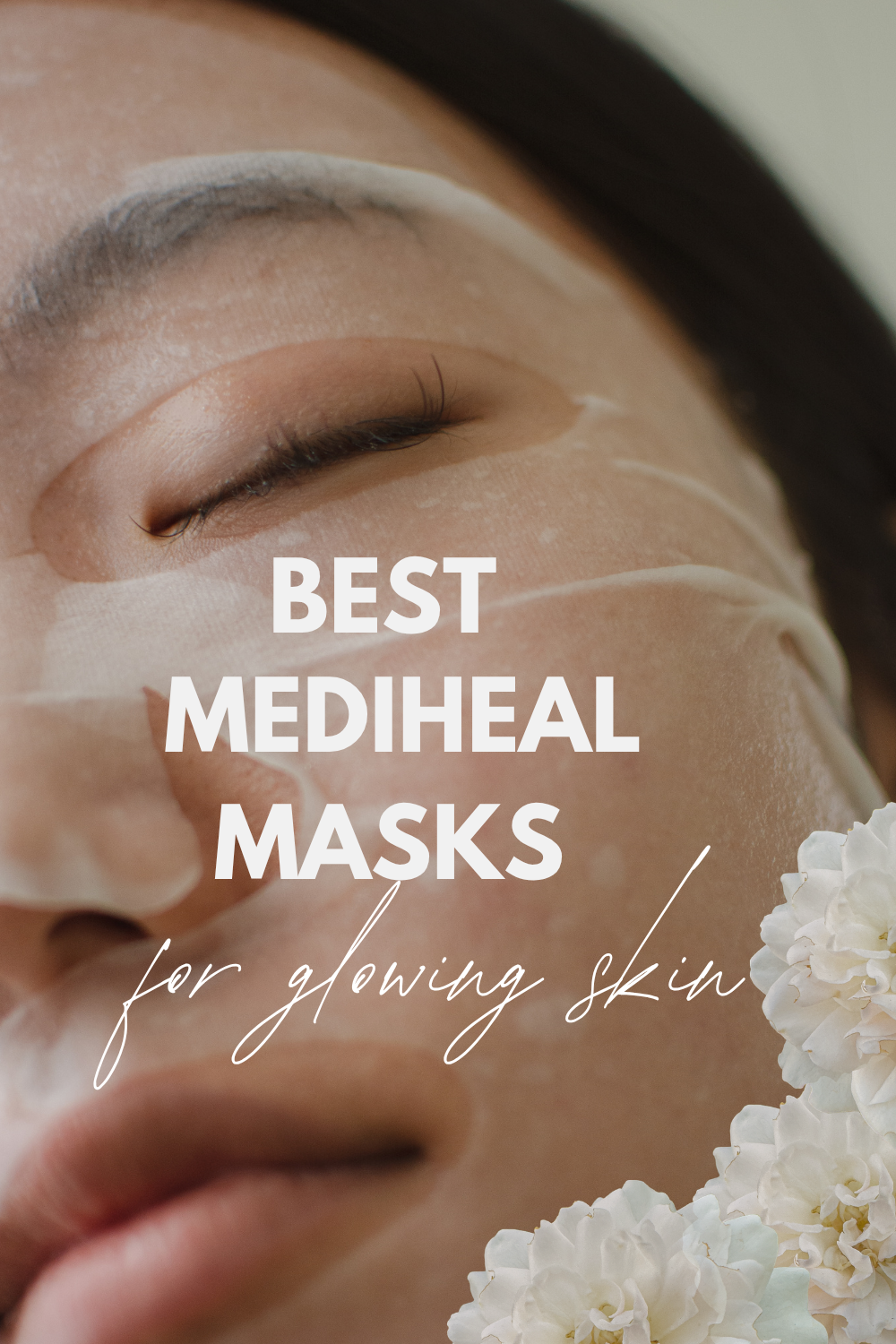
If you’ve engaged with any skincare content over the past few years whether on Instagram, TikTok, or in a beauty magazine , you’ve inevitably come across the K-beauty phenomenon. Korean skincare isn’t just a trend: it’s a fundamentally different philosophy, built around prevention, hydration, and the long-term health of your skin. One of the most iconic products to emerge from this movement is the sheet mask, and when it comes to sheet masks, one name comes to mind almost automatically: Mediheal.
What Makes Mediheal Masks So Special?
Mediheal isn’t a lifestyle brand that grew out of a beauty salon. Its roots are in dermatology products developed with clinical testing and pharmaceutical-grade precision. That’s the fundamental difference. These aren’t masks that just look good on a shelf. They actually work.
The ingredient profiles are worth taking seriously: hyaluronic acid, niacinamide, collagen, tea tree extract all backed by science, not just marketing speak. The sheet material itself matters too: bio-cellulose variants, for example, adhere more closely to the skin, allowing active ingredients to penetrate deeper than a standard woven mask ever could.
The Most Popular Mediheal Masks and What They’re For
There are four core variants worth knowing, as they cover the most common skin concerns:
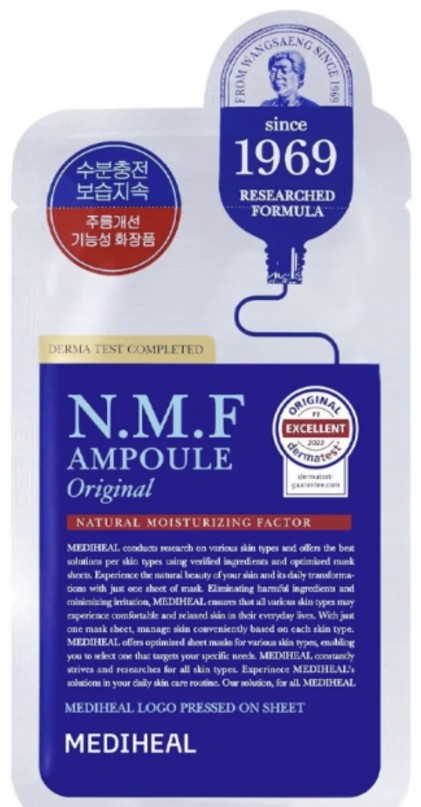
- NMF Aquaring The timeless classic. If your skin is dry or dehydrated, this is your go-to. Hyaluronic acid and an NMF complex work together to replenish your skin’s moisture reserves. This is my favorite one.
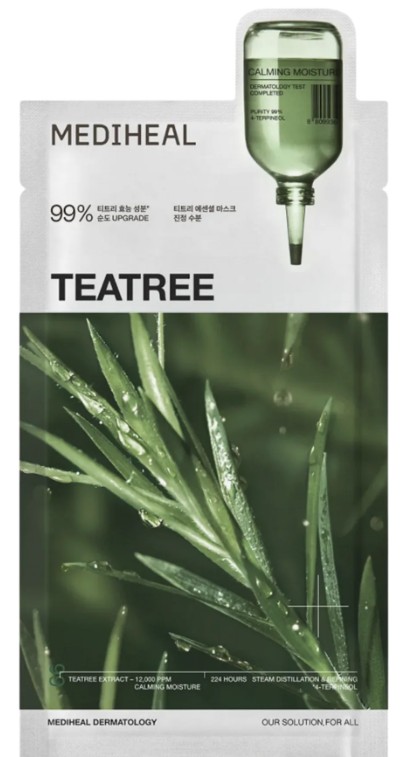
- Tea Tree Developed for oily, acne-prone, or sensitive skin. It calms inflammation, minimises pores, and won’t sting even on reactive skin.
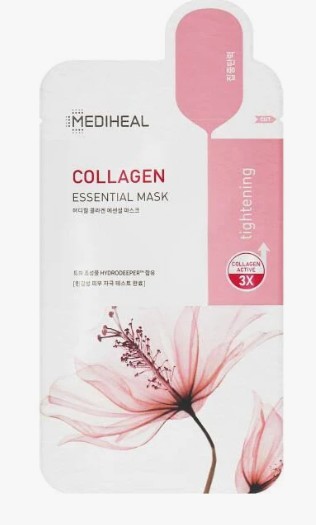
- Collagen Firming and anti-ageing. Not a miracle cure, but with consistent use, it makes a visible difference in skin tone and elasticity. This one is the second-best mask for aging skin.
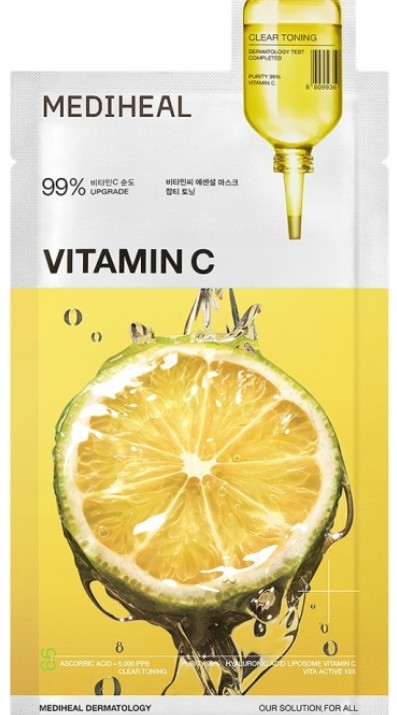
- Vita Lightening For uneven skin tone and post-hyperpigmentation marks. The combination of vitamin C derivatives and niacinamide works slowly but steadily.
How to Use Them Correctly Apply to a clean, toned face.
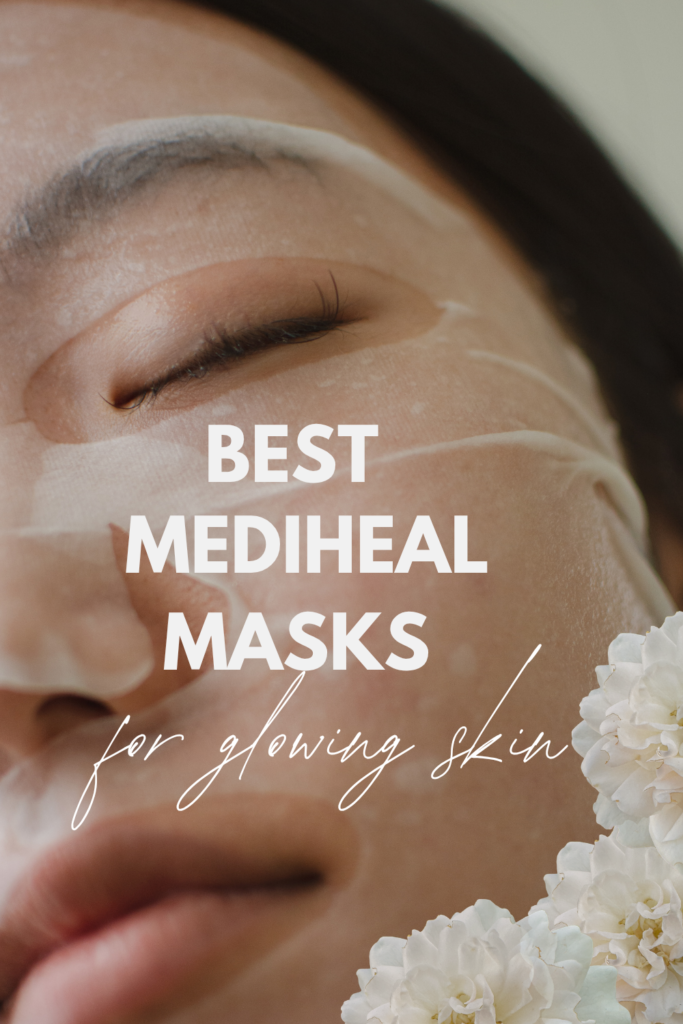
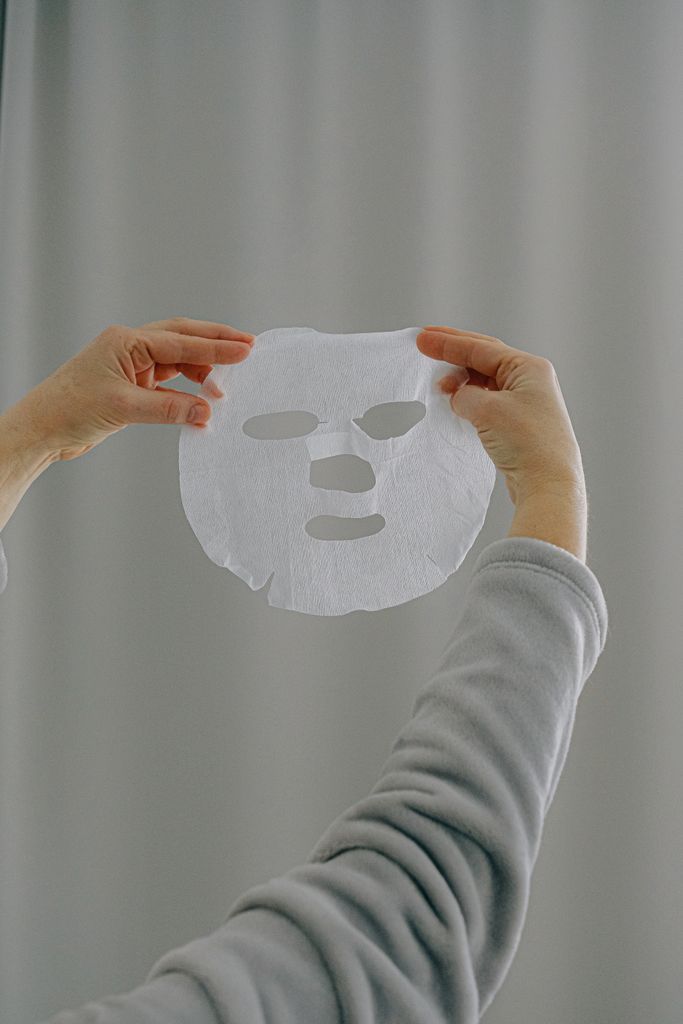
This isn’t an optional step; it’s a prerequisite. Smooth the mask onto your skin without air bubbles, then leave it on for 10–15 minutes. Important: don’t leave it on longer than 20 minutes. Once the mask starts to dry out, it begins drawing moisture back out of your skin, the exact opposite of what you’re going for. After removal, don’t rinse off the remaining serum. Pat it gently into your skin instead. Follow up with SPF during the day, or a richer moisturizer at night.
Two to three times a week is ideal; your skin needs downtime too.
Who should try it and why now?
Honestly? Almost anyone. Mediheal sits in that rare category where the barrier to entry is low, but the results don’t feel like a compromise. For beginners, it’s a perfect first step into K-beauty: straightforward to use, fast to show results, and no need to worry about a complicated routine.
It’s particularly worth reaching for when your skin is stressed or sleep-deprived; the difference after a single mask is noticeable. For travelers, it’s practically essential: the dry cabin air on flights strips moisture from your skin within minutes, and Mediheal counteracts that effectively. The price point is justified too: a single mask typically costs around 2 euro and 2-3 USD, which is exceptional value given the ingredient quality.
Availability has expanded significantly; you’ll find Mediheal in more and more online retailers and beauty stores. That said, counterfeits are on the rise, so always buy from a trusted seller. I always order from here.
—
*Which Mediheal mask is your favorite or which one would you try first? Let me know in the comments!*